Discover More Here
Protect Your Home: Proven Pest Control for Termite Infestations
Termites present a major risk to properties, often creating extensive damage before homeowners even understand an infestation has occurred. Understanding their behavior and biology is crucial for successful protection. Frequent checks can reveal initial indicators, but many are uninformed of the most efficient methods. Investigating both do-it-yourself options and expert services can make a difference. What are the best methods to protect a property from these harmful insects? The answers may surprise you.
Learning About Pest Habits and Biology
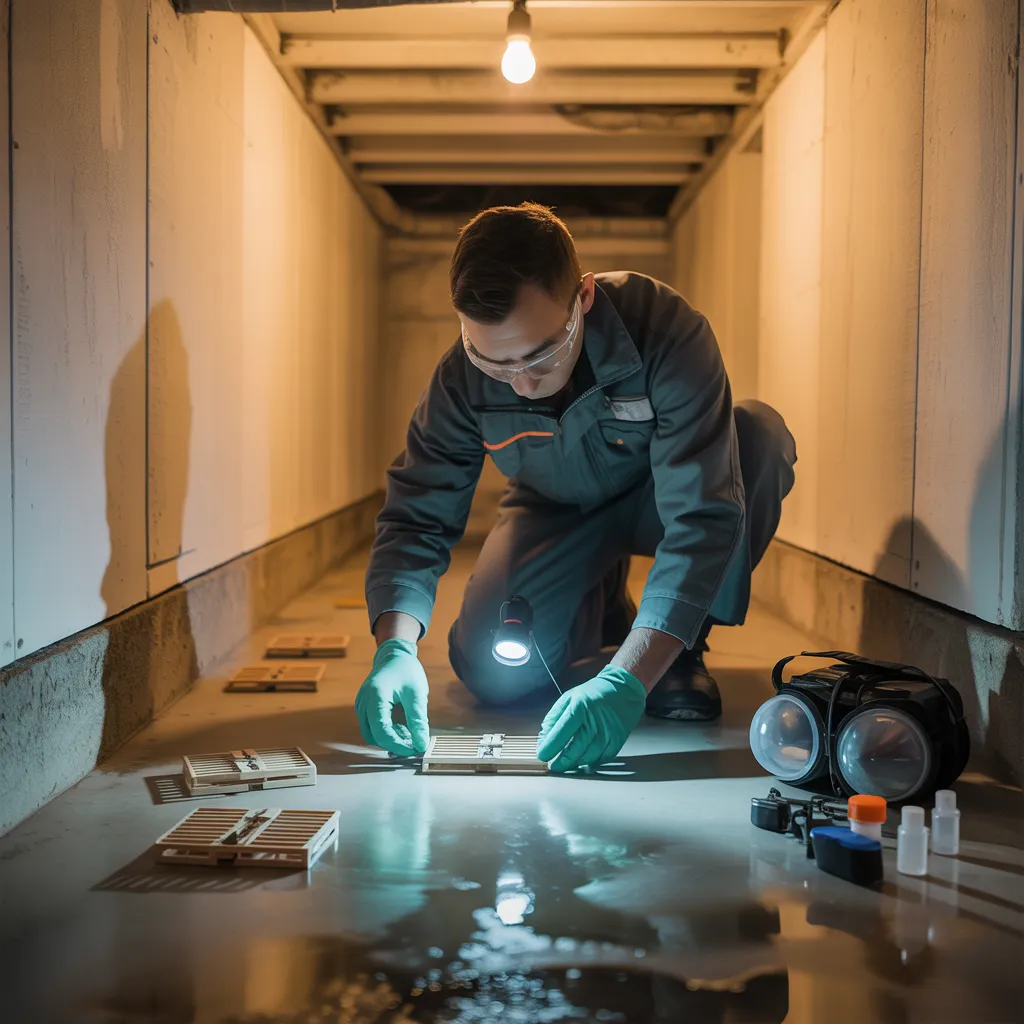
Termites interact through chemical compounds, which help coordinate activities such as hunting for food and distress signals. Their nesting habits fluctuate; some species construct elaborate mounds, while others stay hidden within wood. The breeding cycle involves swarming, where winged termites distribute to found new colonies. Understanding these behavioral traits and biological elements is essential for applying targeted control measures, limiting destruction, and protecting both homes and natural environments from colonies.
Indicators of a Termite Problem in Your House
Though often out of sight, the signs of termite infestation can be subtle yet worrying. Homeowners should remain vigilant for particular signs that might point to the presence of these harmful pests. One typical sign is the presence of mud tubes, which are slender tunnels composed of soil and saliva, regularly located along foundation walls. Moreover, discarded wings near windows or doors may indicate swarmers, signaling a potential infestation.
A further caution indicator includes echoing wood, as termites digest the inner cellulose, retaining the outer structure intact. Dwellers might also notice frass, or wood dust, collecting near wood structures, a sign of active feeding. Finally, unexplained cracks in walls or ceilings can reveal termite damage. Recognizing these signs early can help in mitigating damage and preserving the integrity of the home.
Halting termite infestations necessitates an active approach that includes routine home assessments, robust moisture regulation, and correct wood treatment options. By spotting vulnerabilities early and solving them, homeowners can substantially lower the likelihood of an infestation. Employing these approaches generates a less favorable environment for termites, supporting long-term safeguarding.
Regular Home Assessments
Regular home inspections play a key role in preventing termite infestations in homes. Conducting inspections at least once a year allows homeowners to detect potential signs of termite activity, such as mud tubes, discarded wings, or damaged wood. Expert inspectors have the ability to find hidden infestations that may go unnoticed by untrained eyes. Besides, these inspections can pinpoint structural weaknesses, enabling prompt repairs before termites have a chance to exploit them. Homeowners are advised to examine susceptible areas, including basements, attics, and crawl spaces. Early detection through regular inspections not only protects the home's integrity but also significantly cuts down the costs linked to extensive damage repairs. Consistent vigilance ultimately ensures long-term peace of mind.
Managing Moisture Properly
Home inspections detect signs of termite activity and also point out possible moisture problems that entice these pests. Controlling moisture effectively is important to prevent termite infestations. Proper drainage around the foundation should be maintained by homeowners, diverting water away from the structure. Checking gutters and downspouts regularly for clogs is key to preventing water accumulation. Moreover, ventilating crawl spaces and attics helps reduce humidity levels, making the environment less favorable for termites. Sealing leaks in plumbing and roofs is important since even minor moisture can lure pests. Lastly, the use of a dehumidifier in damp areas can further reduce the risk of termite attraction, encouraging a dry and inhospitable environment for these destructive insects.
Wood Preservation Methods
Applying timber care options is vital for safeguarding buildings against termite infestations. There are various methods to increase wood's resistance to these destructive pests. Pressure-treated wood, saturated with preservatives, provides a durable barrier, rendering it less attractive to termites. Borate treatments, another useful alternative, penetrate the wood and offer extended protection by disrupting the insects' digestive processes. Furthermore, using naturally resistant species, like cedar or redwood, helps lessen susceptibility. Frequent inspections and maintenance also allow early detection of any possible infestations, enabling prompt intervention. Combining these wood treatment approaches enables homeowners to significantly lower the risk of termite problems, preserving their structures' integrity and guaranteeing a pest-free environment.
Effective DIY Solutions for Termite Control
In tackling termite control, multiple DIY strategies can be highly effective. Organic deterrents and barriers provide homeowners convenient options for protection, while trapping systems deliver a straightforward approach for tracking and eradicating pest colonies. Comprehending these methods can enable homeowners to protect their homes from potential damage.
Natural Deterrents and Obstacles
Natural repellents and barriers offer a practical way to fight termite infestations without relying on harsh chemicals. Homeowners can employ substances like orange oil, which contains d-limonene, known to disrupt termite cell structure. Additionally, neem oil works as a natural deterrent, affecting termites' hormonal balance and stopping reproduction. Another choice is diatomaceous earth, a non-toxic powder damaging termite exoskeletons on contact, leading to dehydration. Building barriers with physical materials like steel mesh or sand can also block termite entry points. Consistently maintaining landscaping and ensuring proper drainage can further diminish the risk of infestations. Applying these natural strategies enhances home protection while encouraging an eco-friendly solution to pest management.
Baiting Systems Outlined for Beginners
Strong baiting approaches represent a sound solution for combating termite disturbances. These systems place strategically situated bait stations stocked with cellulose material, formulated to draw foraging termites. Once termites consume the bait, they bring it back to their colony, where it harms the growth and health of the entire population. Baiting systems often include insect growth regulators or slow-acting insecticides that suppress termites without alarming them. Homeowners can install these stations in areas of high termite activity, tracking them regularly for effectiveness. While DIY baiting can be valuable, it is necessary to follow instructions carefully and maintain a regular check on the bait levels. This strategic approach helps confirm long-term protection against future infestations.
When should you call a professional regarding termite control?
When should homeowners consider hiring expert support for pest control? Homeowners encountering indicators of a termite problem, such as mud tubes, damaged wood, or discarded wings, should respond quickly. If the infestation has extended beyond a small, manageable area, expert intervention is advisable. Additionally, those unsure about the extent of the issue benefit from professional evaluations, as professionals can detect and resolve hidden infestations.
Homeowners who have tried DIY approaches without achieving results should also obtain expert help. This is crucial when handling extensive damage, as professionals have specialized tools and expertise to effectively eliminate termites and stave off future infestations. Moreover, if a home is positioned in a vulnerable region for termites, consistent professional inspections may be justified, even in the lack of visible signs. In these cases, prompt expert assistance can shield homeowners from expensive restoration and guarantee thorough termite treatment.
Long-Term Alternatives for a Termite-Free Home
To maintain a termite-free home, homeowners must adopt proactive measures that extend beyond immediate treatments. Prevention is crucial, starting with routine examinations of the property to detect potential vulnerabilities. Keeping wood and soil away from close proximity is essential, as termites thrive in damp environments. Homeowners can also explore using treated wood for construction and renovations, which is less appealing to these pests.
Another proven method includes using protective obstacles, such as metal shields or sand barriers, during the building process. Ensuring adequate water flow and ensuring gutters are clear can significantly decrease moisture levels around the foundation, further preventing termite activity. Additionally, landscaping should be maintained to avoid wood mulch near the home, choosing alternatives that are less inviting to termites. By integrating these long-term solutions, homeowners can create an environment that minimizes the risk of termite infestations, promoting a safer living space.
The Cost of Termite Destruction: Is Proactive Prevention Worth It?
To what degree can the expenditures of termite deterioration impact property owners? The financial impact can be astounding, with calculations suggesting that termite damage costs U.S. homeowners enormous sums annually. Fixing structural damage generally spans from $3,000 to $8,000, determined by the magnitude of the infestation. Additionally, these pests can weaken a home's equity, discouraging interested parties and leading to substantial losses if the property is sold.
Channeling resources into preventive approaches, such as periodic assessments and applications, is often seen as a prudent economic choice. These proactive measures can lessen the risk of serious pest invasions, ultimately saving homeowners from costly repairs. While initial prevention costs may appear high, they are typically outweighed by the potential detailed resource expenses incurred from unchecked termite damage. As a result, homeowners must balance the extended advantages of prevention against the upfront expenses to safeguard their property and investment.
Frequently Inquired Questions
Can Termite colonies Cause Structural Damage in Just a Several Months?
Yes, invasive insects can produce significant building degradation within just a few months. Their aggressive feeding of wood and cellulose materials undermines the structural integrity of buildings, making early detection and intervention critical for homeowners.
What Constitute the Optimal Natural Remedies for Controlling Termites?
Natural solutions for termite management feature nematodes, diatomaceous earth, orange oil, and vinegar. These techniques disrupt termite activity and ward off infestations without harsh chemicals, offering eco-friendly alternatives for homeowners seeking effective pest management solutions.
How Do Environmental Conditions Affect Termite Movement?
Atmospheric circumstances significantly impact termite activity. Warm, humid climates facilitate their reproduction and foraging, while colder temperatures can decrease their movements. Heavy rainfall can result in increased moisture, establishing favorable conditions for infestations.
Is Wood Selection Important to Termites?
Indeed, termites are attracted to certain wood types, notably those that are soft, decaying, or untreated. Kinds like pine and fir are remarkably desirable, as they provide suitable habitats for nesting and feeding.
Can Animals Detect Termite Invasions?
Pets can sometimes spot termite infestations because of their keen sense of smell. However, although dogs may exhibit interest in affected areas, they are not dependable indicators, and professional inspections remain critical for accurate detection.